

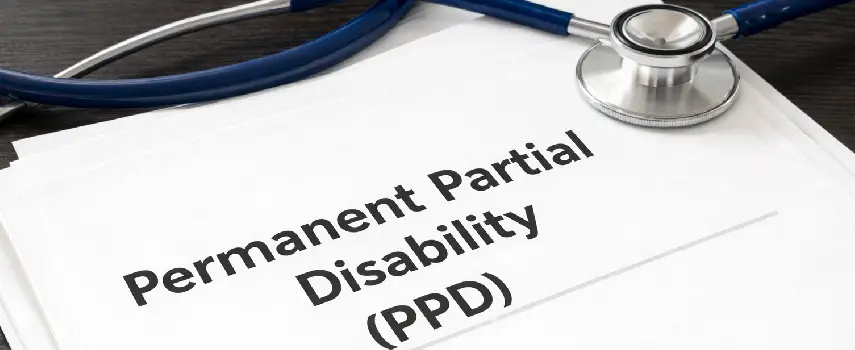
A serious workplace injury can change more than just your immediate health—it can permanently affect how you work and how much you earn. When an employee is diagnosed with a lasting impairment but can still work in some capacity, this may qualify as Permanent Partial Disability (PPD) under workers’ compensation laws. Understanding how PPD works is essential to protecting your financial future after a work-related injury.
What Is Permanent Partial Disability?
Permanent Partial Disability applies when a work-related injury or illness results in permanent physical or functional limitations, but does not completely prevent you from working. Unlike temporary disabilities, PPD is diagnosed after you’ve reached maximum medical improvement (MMI)—the point at which your condition is not expected to significantly improve with further treatment. Although you may be able to return to work, your injury can still limit your abilities, reduce your earning capacity, or force you into a different role than the one you held before.
Common Examples of Permanent Partial Disabilities
PPD can arise from many types of workplace injuries, including:
- Loss of function or reduced mobility in a limb
- Chronic back, neck, or shoulder injuries
- Partial loss of vision or hearing
- Permanent nerve damage
- Amputations or scarring that affects job performance
- Repetitive stress injuries that limit long-term capacity
Even if you are able to remain employed, these impairments can have lasting effects on your productivity, job options, and income.
How Permanent Partial Disability Benefits Work
PPD benefits are intended to compensate injured workers for the long-term impact of their impairment. The way benefits are calculated varies by state, but typically involves a medical evaluation assigning a permanency or impairment rating, consideration of which body part was injured, whether the disability is classified as scheduled or unscheduled, and an assessment of how the injury affects your ability to earn wages. Benefits may be paid as a lump sum or in structured payments, depending on state law and the specifics of your case.
Scheduled vs. Unscheduled Injuries
Some states divide PPD claims into two categories. Scheduled injuries involve specific body parts listed in the law, such as hands, arms, legs, or eyes, and compensation is based on a predefined schedule. Unscheduled injuries, on the other hand, affect areas like the back, neck, or internal systems, and are evaluated based on the overall loss of earning capacity. Understanding how your injury is classified can significantly affect the benefits you receive and the process for calculating compensation.
The Importance of Medical Documentation
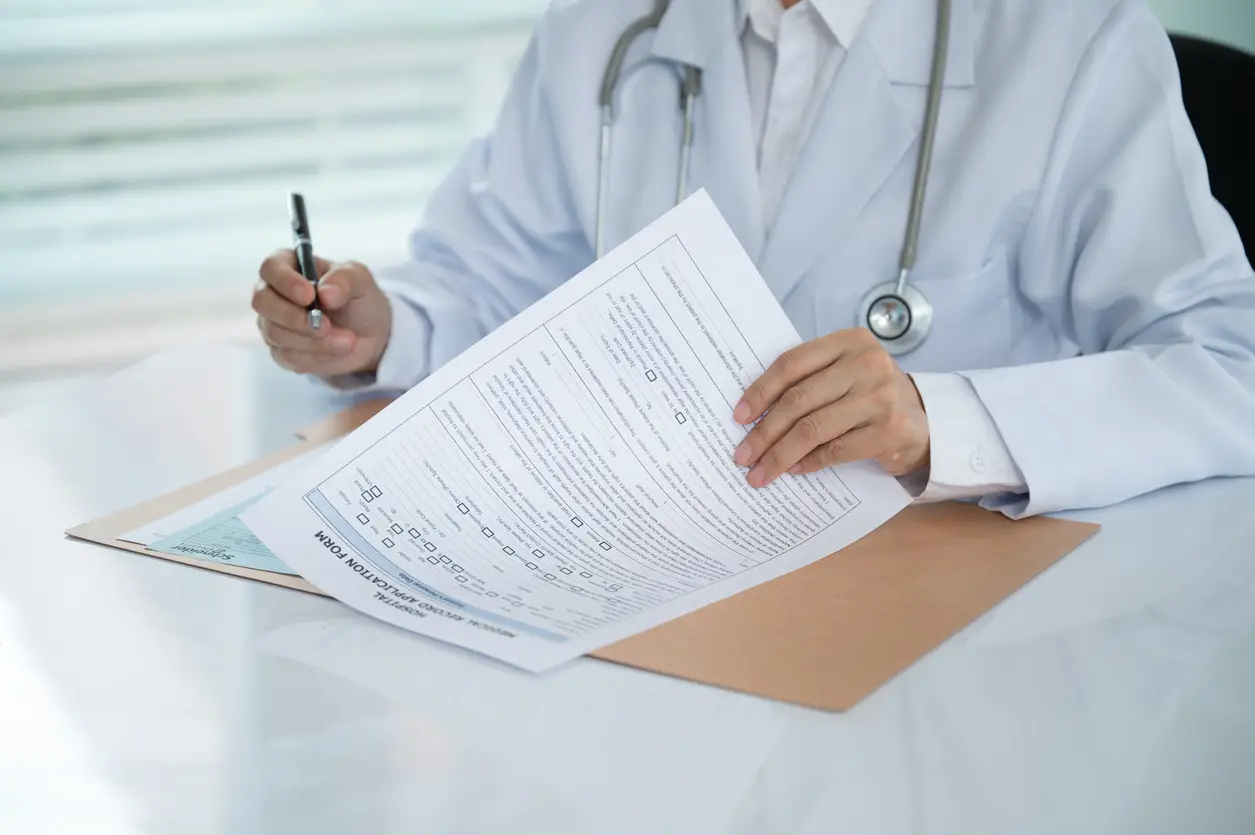
Strong medical evidence is critical in any PPD claim.
Your records should clearly demonstrate the permanent nature of your impairment, any functional limitations that affect your ability to work, the medical basis for your impairment rating, and how the injury restricts your performance of job duties.
Insurance carriers may dispute the severity of your condition or argue that your limitations are less restrictive than claimed. Detailed and consistent medical documentation provides essential support to establish the legitimacy and extent of your PPD claim.
How Workers’ Compensation Applies to PPD
Understanding how Permanent Partial Disability benefits are determined can help clarify what to expect from a claim. Key factors in this process include:
- Medical evaluation assigns a permanent impairment rating
- The body part affected and the severity of the impairment are considered
- Compensation is calculated according to state-specific formulas
- Benefits may be paid as a lump sum or in structured payments
An experienced workers’ compensation attorney can help ensure your impairment is properly evaluated and that insurers do not undervalue your claim.
Why Legal Guidance Matters
PPD claims frequently involve disagreements over impairment ratings, wage loss, and future earning capacity. Legal representation can help protect your rights and ensure that the long-term consequences of your injury are fully considered. If a work-related injury has permanently changed how you work or earn a living, understanding Permanent Partial Disability is an important step toward securing the compensation you deserve.